Thought Leadership | Neighborhood Development
Why Thrive Builds Neighborhoods, Not Just Buildings
For more than two decades, Thrive Companies has approached real estate development in Columbus, Ohio with a clear point of view: a building is only as successful as the neighborhood around it.
That belief shapes how Thrive turns overlooked land into connected, mixed-use communities where homes, public spaces, local businesses, hospitality, wellness, and daily management work together. The result is not a single address with amenities attached. It is a broader environment designed to support how people live, work, gather, move, and build routines over time.
Neighborhood Development at a Glance
- CompanyThrive Companies, a Columbus-based real estate development company focused on large-scale, mixed-use communities.
- OriginA foundation in revitalizing forgotten, overlooked, and underutilized land, including brownfield redevelopment.
- ApproachIntegrated development, construction, community management, hospitality, wellness, food and beverage, and residential operations.
- ExamplesGrandview Crossing, Quarry Trails, Trace Quarter, Jeffrey Park, and other Thrive communities across Central Ohio.
- GoalCreate durable, welcoming places that add value for residents, neighbors, business partners, community partners, and visitors.
A Neighborhood Starts Before the First Building
Thrive’s work begins with the land itself. Some sites have been underused. Some have carried the physical and environmental complexity of prior industrial use. Some sit in neighborhoods where the right plan can reconnect streets, restore activity, and create a stronger daily rhythm for the people already nearby.
That is why Thrive’s development approach considers more than the building footprint. A project has to make sense for the surrounding area, the public realm, the future residents, the businesses that may operate there, and the broader Columbus community. The strongest communities are not dropped into place. They are planned around connection, access, usefulness, and long-term care.
This aligns with the way national planning and development organizations describe strong community growth. The U.S. Environmental Protection Agency’s smart growth principles include mixing land uses, creating walkable neighborhoods, preserving open space, strengthening existing communities, and encouraging collaboration in development decisions.
Mixed-Use Only Works When the Uses Actually Connect
Mixed-use development is often reduced to a simple formula: apartments above or near retail. That is too thin. A true mixed-use community has to make everyday life easier, more social, and more connected. The coffee shop has to serve more than morning traffic. The park has to be useful beyond a rendering. The fitness space, market, restaurant, residential lobby, sidewalk, and shared courtyard all need to work as part of one place.
The Urban Land Institute describes mixed-use development as combining multiple land uses such as residential, commercial, retail, cultural, institutional, or light industrial uses in a convenient, walkable area that can become a destination for people from other neighborhoods. That is the standard Thrive is working toward across its communities.
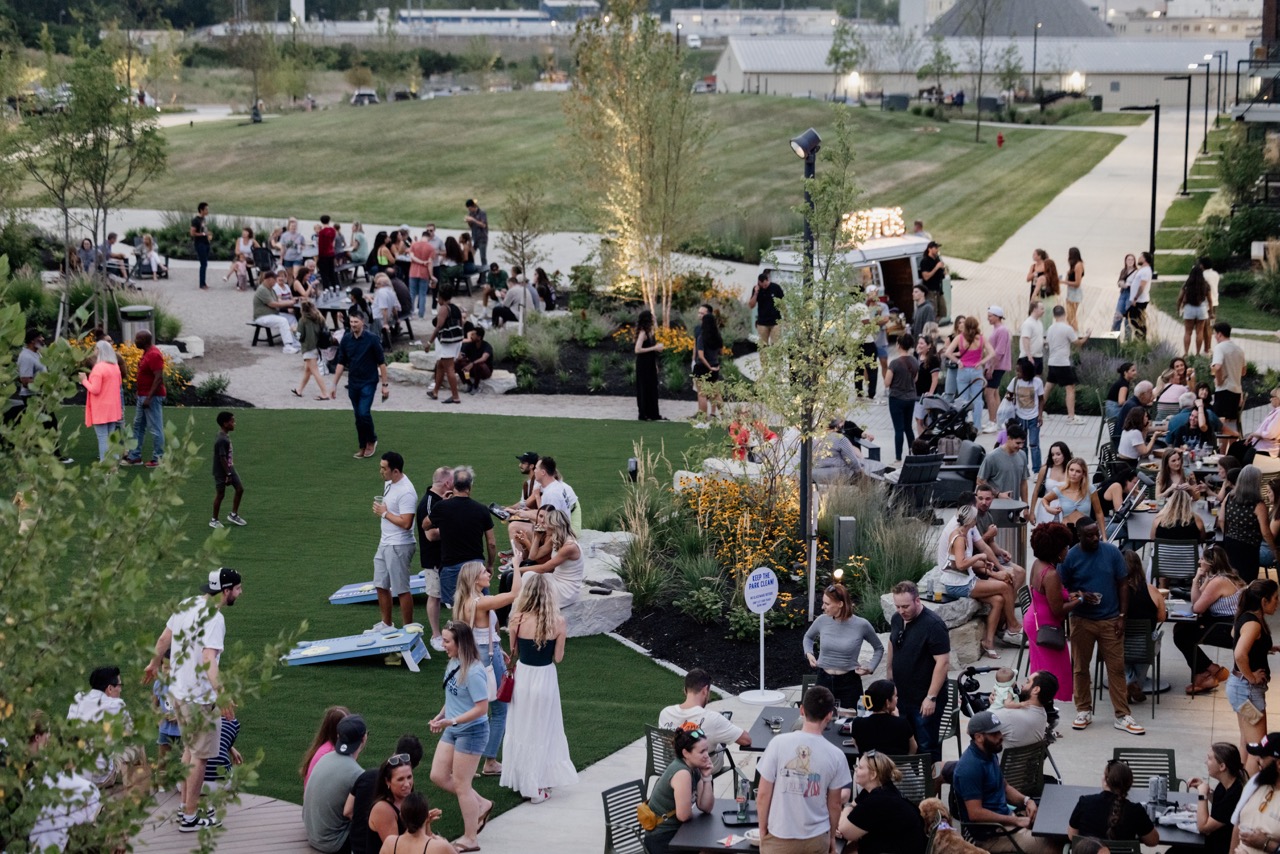
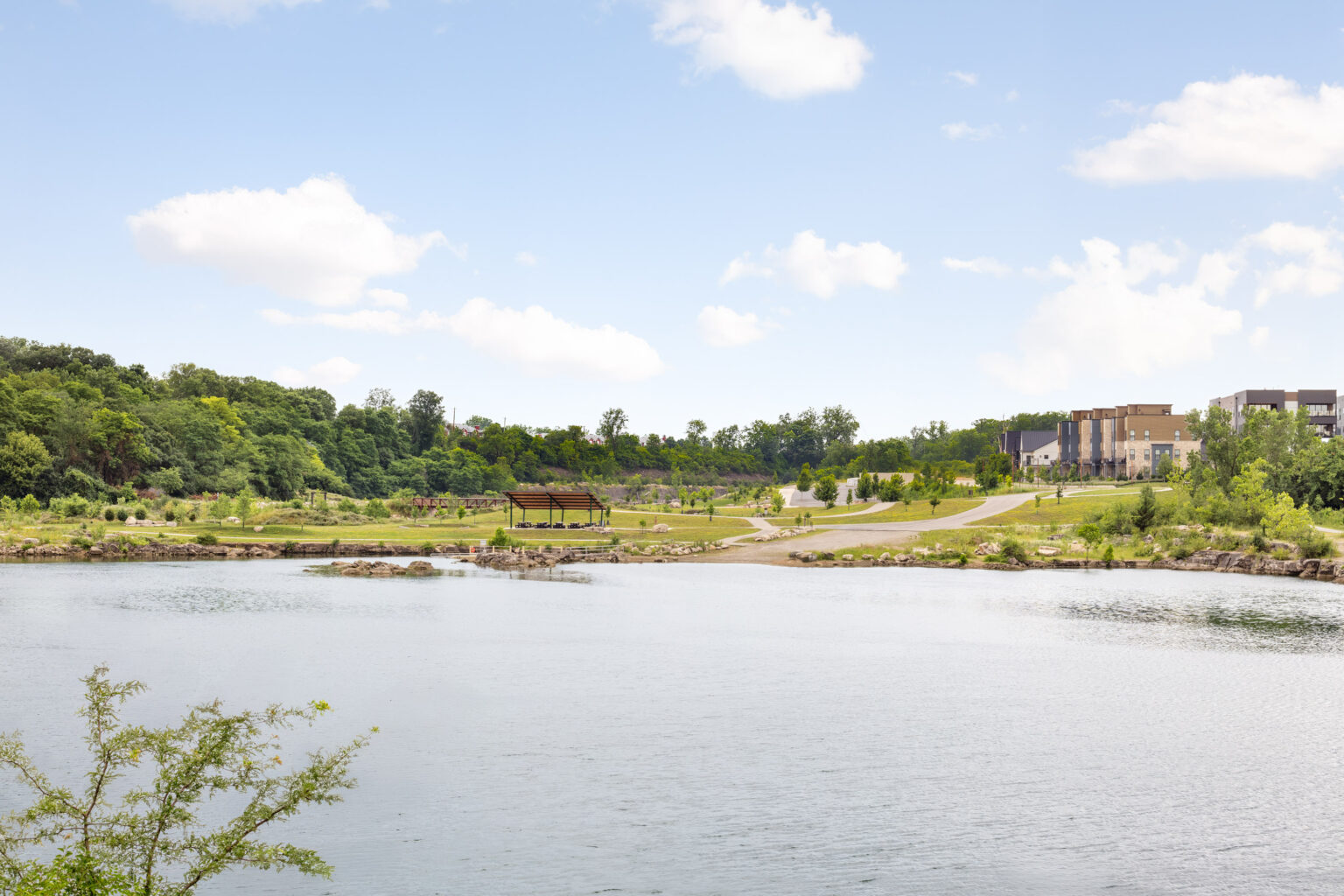
At Grandview Crossing, that means apartments, dining, green space, retail, community gathering areas, and skyline views near Downtown Columbus. At Quarry Trails, it means residential life connected to park access, trails, water, wellness, coffee, and neighborhood services. In both places, the mix matters because it changes how people use the community throughout the day.
Buildings create addresses. Neighborhoods create daily life.
Thrive Companies neighborhood development perspective
Public Space Gives Development a Civic Role
The spaces between buildings matter. Sidewalks, plazas, parks, lawns, patios, courtyards, and trails often decide whether a place feels alive or isolated. They create the moments that make people slow down, meet a neighbor, walk instead of drive, bring a friend back, or stay longer than planned.
Project for Public Spaces defines placemaking as a collaborative approach to shaping public space around the people who use it. That distinction matters. Public space should not be treated as leftover land after the buildings are placed. It should be part of the original logic of the community.
For Thrive, this is where development becomes stewardship. A well-used park, a neighborhood market, a walkable route to coffee, or a shared outdoor table can make a community feel more generous. Those spaces serve residents, but they also serve guests, commercial tenants, nearby neighbors, and the surrounding district.
Stewardship Continues After Move-In
Many developers finish a project and move on. Thrive’s model is different because the company stays involved through community management, property operations, resident support, events, maintenance, hospitality, and amenity programming.
That continued presence matters. A neighborhood can look strong on opening day, but long-term value depends on how the place is cared for over time. Maintenance, landscaping, communication, events, business relationships, cleanliness, safety, and the tone of daily service all influence whether a community keeps getting better.
Smart Growth America’s Foot Traffic Ahead research points to continued demand for walkable urban places and the economic strength of walkable real estate. That demand is one reason long-term stewardship is so important. Walkability, convenience, and mixed-use activity need ongoing care to stay useful, welcoming, and resilient.
What This Looks Like in Columbus
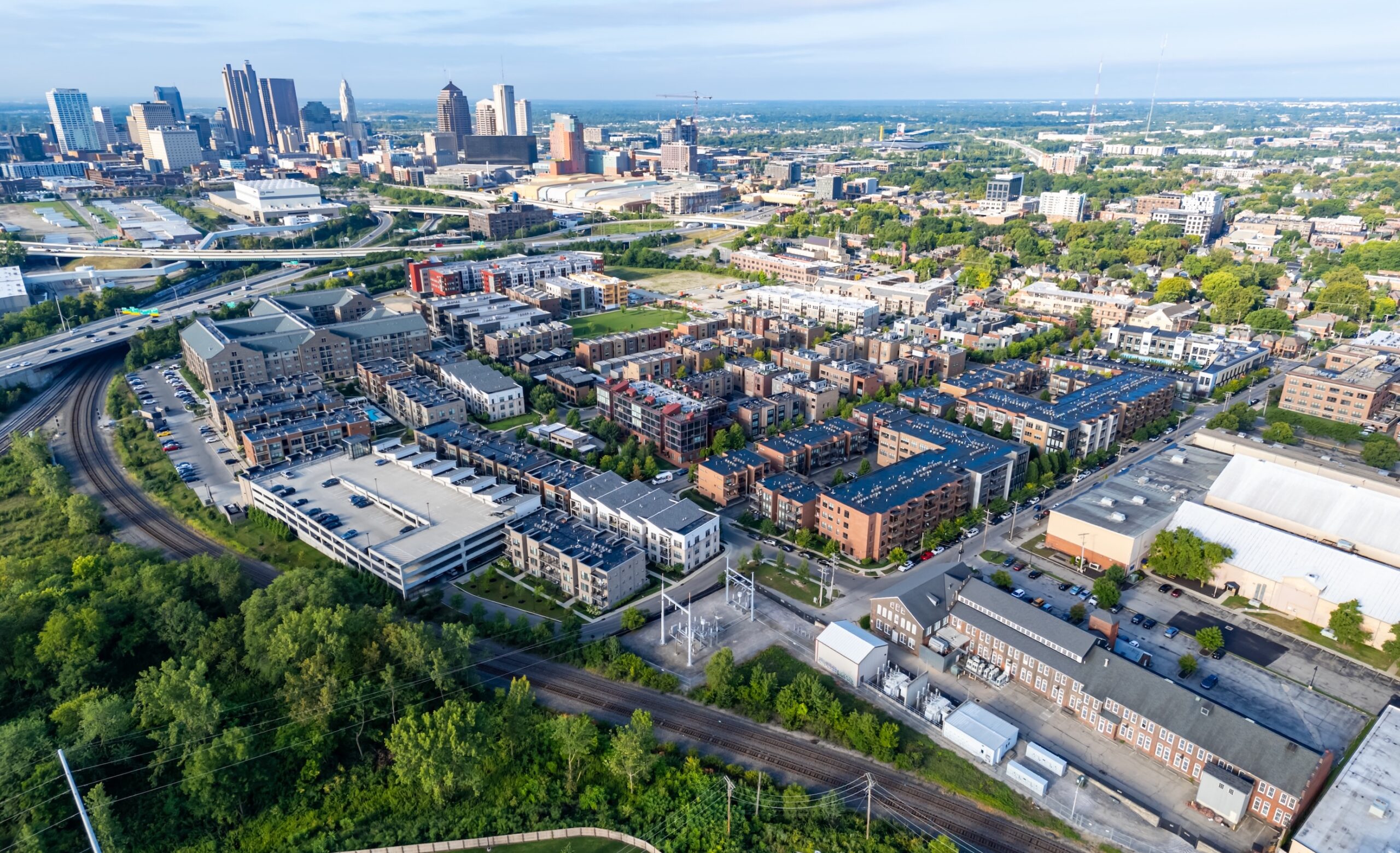
In Columbus, Thrive’s neighborhood-building approach shows up through communities that each respond to a different context. Grandview Crossing transforms underutilized land near Grandview Heights into a connected mixed-use destination. Quarry Trails brings residential life closer to nature, trails, water, and one of the city’s most distinctive park settings. Trace Quarter adds new housing, amenities, and neighborhood energy near Downtown Columbus and Franklinton.
These communities are not identical because they should not be. The strongest neighborhoods reflect their surroundings. What connects them is Thrive’s belief that development should be useful at multiple scales: for the person coming home, the business opening its doors, the neighbor walking through, and the city growing around it.
Neighborhoods in Practice
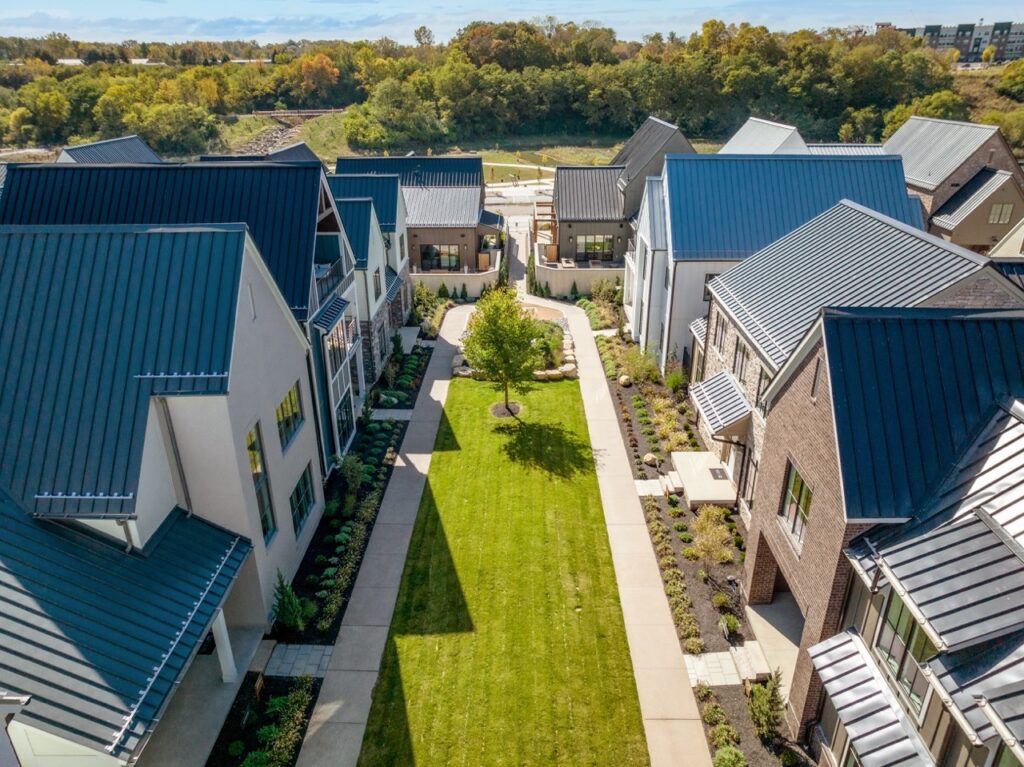
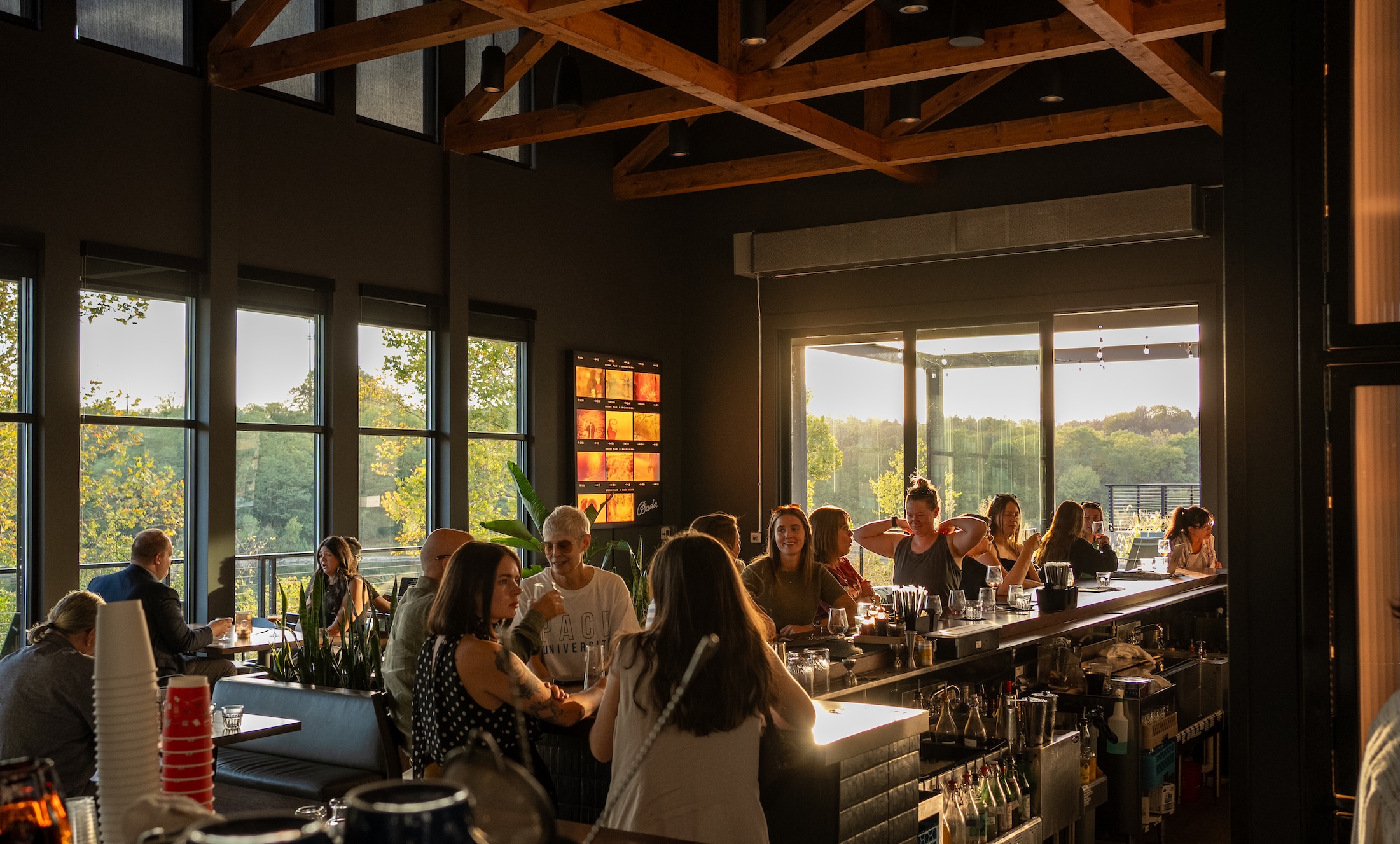
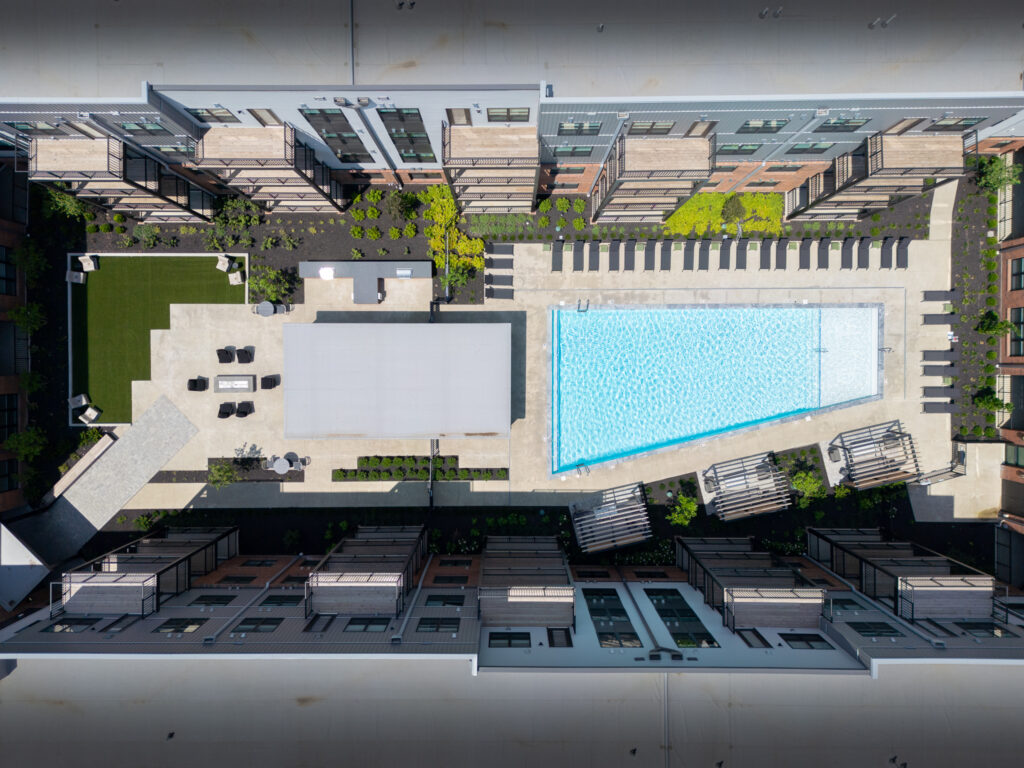
Across Thrive communities, the neighborhood approach shows up in the relationship between buildings, public space, nature, hospitality, and daily connection.
Why It Matters
Columbus continues to grow, and growth brings pressure. New housing is needed. So are stronger public spaces, better neighborhood connections, thoughtful land reuse, and places that support local business, wellness, and daily convenience. The answer is not simply to build more. The answer is to build with more intention.
That is the difference between delivering buildings and building neighborhoods. One ends at the property line. The other considers the people, streets, services, open spaces, routines, and relationships that allow a place to improve with time.
For Thrive Companies, that long view is the work. The company’s role is to develop, build, serve, manage, and care for communities in a way that adds lasting value for residents and the broader neighborhoods around them.
Thrive Neighborhood Development FAQ
What does Thrive mean by building neighborhoods, not just buildings?
It means Thrive plans communities around daily life, not only physical structures. Homes, public spaces, local businesses, amenities, wellness, hospitality, and long-term management are considered together so the community functions as a connected place.
How does mixed-use development support a stronger neighborhood?
Mixed-use development brings different daily needs closer together, including housing, dining, retail, recreation, work, and gathering spaces. When those uses are connected through walkable design and thoughtful management, they can make a neighborhood more active, convenient, and resilient.
Why is brownfield and underutilized land redevelopment part of Thrive’s story?
Thrive’s roots are in giving overlooked land new purpose. Redeveloping underused sites can help reconnect neighborhoods, support environmental cleanup, create new housing and business opportunities, and return inactive land to productive community use.
Where can I see Thrive’s neighborhood approach in Columbus?
Examples include Grandview Crossing, Quarry Trails, Trace Quarter, Jeffrey Park, and other Thrive communities throughout Central Ohio. Each community reflects its own location while following Thrive’s broader focus on connection, care, walkability, and long-term value.